
Nasal Bridle
A nasal bridle is a device that helps keep your child’s feeding tube in place in their nose. The bridle is a thin silicone string that is put in one nose hole (nostril), looped around a bone in the upper part of the nose, and then brought out the other nostril. A small clip outside the nose connects the bridle and feeding tube together.
Before the Procedure
- A nasal bridle can be placed before or after your child’s feeding tube is placed.
- They may be given nose spray to clear mucus out of the nostrils.
- Your child may get numbing liquid in their nose to help prevent discomfort while the bridle is being placed.
- The probe and safety stylet for the string (bridle tubing) will be lubricated so they slowly slide into each nostril.
During the Procedure
- The string is placed in one nostril using the safety stylet, while the probe is placed in the other nostril. The tools connect behind a bone in the nose using magnets.
- Once connected, the probe will be removed slowly, pulling the string out the other nostril. The string will be clipped to the feeding tube to keep it in place. The magnets will be removed.
After the Procedure
- Your child will have a small clip below their nose and above their lip that attaches the bridle to their feeding tube.
- Your child may have a stuffy nose or small amount of blood and mucus from their nose after the bridle is placed. This is normal and will go away.
- The bridle is not painful after it’s been placed. If your child pulls on their feeding tube, it may be uncomfortable.
Care at Home
- The bridle shouldn’t keep your child from doing their normal activities.
- Clean your child’s nose and the bridle with mild soap and water each day using a soft washcloth or cotton swab.
- You can put petroleum jelly (Vaseline®) on the skin around the nose to prevent rubbing. Do not put ointment on the clip. This may loosen the bridle.
- Do not tape the tube to your child’s cheek. The bridle and feeding tube should hang straight down.
When to Call the Doctor
- Call your child’s doctor or health care provider if they have redness or open skin on their nose or if their feeding tube comes out.
- If you’re worried about your child’s breathing because of the bridle, it may need to be removed. Before removing it, call their doctor or health care provider!
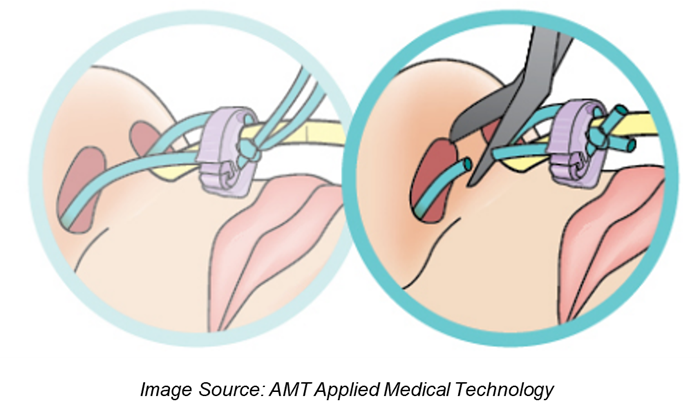
ONLY if you’re advised to remove the bridle:
Cut the string on the side of the nose that only has 1 blue string, not the side connected to the feeding tube.
- If the feeding tube can be removed, gently pull the string and feeding tube out of the other nostril.
- If the feeding tube needs to stay in, untie the strings and open the clip. Remove the feeding tube from the clip, then slowly pull the string out of the other nostril.
Follow-up
Your child will have follow-up appointments to check the feeding tube and bridle every 4 to 8 weeks. The bridle should be replaced every 4 to 8 weeks.
Helping Hands™ Patient Education Materials
Helping Hands™ are easy-to-read guides about different illnesses, therapies, surgeries, and more. They’re created by the Patient Education team at Nationwide Children’s Hospital and are reviewed and approved by clinical staff, like nurses, doctors, pharmacists, and psychologists. Nationwide Children's Hospital is not responsible for misuse of information in patient education materials, including Helping Hands.
HH-II-275 | ©2026 Nationwide Children’s Hospital