
Search Results
Viewing: 1-59 of 59 | All

Blog
Medical vs. Special Education Evaluations
The main difference between a medical evaluation and a special education evaluation lies in their focus and purpose.

Blog
Learning About Special Needs Preschools
Early intervention describes supports that are available to babies and young children who have disabilities or developmental delays. It’s important because it gives young children the chance to learn the skills they need to be ready for school and life. Every state offers early intervention programs.
Article
Resources
“What does this mean for my child?” and “Now what?” are common questions parents ask after learning of a cerebral palsy diagnosis. These resources can help support you along your child's journey.

Blog
Resources for Kids with Special Needs
As a pediatrician taking care of many kids with special needs, I realized early on that I wanted to help parents not only with their health care needs, but also with their unique needs that extended way beyond the four walls of the hospital.
Article
School
Children need adult help to manage their diabetes during the school day. Use this chapter to make a school health plan and ensure that your child can go to school and do school activities.

Blog
Epilepsy and Learning Disabilities: Helping Children at School
Epilepsy is not just about seizures. What many people don’t realize is that for some children with epilepsy, problems with learning and school performance can sometimes be harder to deal with than the seizures themselves.
Article
Neonatology Early Intervention
In the NICU setting, our Early Intervention staff provide information about community programs, provide developmentally appropriate infant stimulation, and play when medically stable.

Blog
Service Dogs: Supporting Patients and Their Needs
Service dogs were created to provide people with disabilities opportunities to fully participate in everyday life with the least amount of restrictions.

Article
Family ECHO
Join the series as we build knowledge and confidence for families and caregivers raising children with autism and other developmental disabilities, ultimately empowering them with tools to support their children.

Blog
Navigating the Dating Scene: A Guide for Parents of Children With Developmental Disabilities
By fostering open communication, providing education, and advocating for them, you are empowering your child to navigate the complexities of dating with confidence and resilience.
Article
Adolescent Transition Program
Our Adolescent Transition Program provides services to adolescents and young adults (ages 10-22) and their families as they prepare for the transition to adulthood.

Article
Learning Problems
If you are worried about your child’s development, learning, attention, thinking or social skills, you are not alone. Many families struggle with these problems. Here are tips and resources to help your family find ways to assist your child.
Article
Psychosocial Services
When a child is born with a cleft lip and/or palate or any craniofacial condition, the emotional health and well-being of the child and family are just as important as the child’s medical care.
Article
Project SEARCH
Project SEARCH is an intensive 9-month internship program that provides training, education and workforce development for students with disabilities.
Article
Complex Behavior Program
Our Complex Behavior Program provides caregivers and providers with effective strategies to help children reduce their dangerous or problematic behavior patterns and build coping skills.

Blog
Shoulder Pain and Injury in the Adaptive Athlete
Based on the mechanics of adaptive sports, there is a much higher risk of upper extremity and shoulder injury in athletes with physical disabilities. The best strategy for combating these injuries is appropriate injury prevention strategies and training.

Specialty
Adolescent and Young Adult (AYA) Oncology Program
Our Adolescent and Young Adult Program provides help and a network of individuals to support our AYA oncology patients in the areas of fertility, education, insurance, and social and emotional support.
News
Program Assists Brothers and Sisters of Kids with Autism
Home to one of the largest intensive intervention and diagnostic centers for autism, Nationwide Childrens Hospital has long been recognized as a leader in autism intervention efforts.
Article
Meet Our Rehab Team
Members of the Rehabilitation team work closely to manage each aspect of patient care. Our goal is to enhance the patient’s functional abilities as well as provide support and education to the family.
Article
Homework Help: Tips for Families
Helping your child with homework in a caring and planful way can increase engagement, avoid possible conflict and improve school success.

Specialty
Center for Autism Spectrum Disorders
We provide comprehensive care focused on treatment, education, research and advocacy for children with the diagnosis of an autism spectrum disorder.

Specialty
Limb Difference Clinic
The Limb Difference Clinic offers patients the broad resources and expertise of our entire hospital, while also having the attention of a subspecialist in physical medicine and rehabilitation and community prosthetists and orthotists who specialize in care of pediatric patients with limb differences.

Blog
Transitional Care in Gynecology: When Should Your Child Switch to an Adult Provider?
A woman’s first visit to an adult GYN practice is a great opportunity for her to take further ownership of her gynecologic health as she transitions to another stage in her life. An adult GYN provider treats women’s breast and pelvic health issues and associated surgical needs, hormonal issues, pregnancy and postnatal care.

Condition
Ventricular Septal Defect (VSD)
A ventricular septal defect (VSD) is a hole in the heart. It changes blood flow, making the heart work harder. It can be treated with surgery or catheterization.

Article
Frequently Asked Questions
The heart transplant process may seem confusing or sometimes overwhelming. We understand, and our team is here to answer your questions.

Condition
Truncus Arteriosus
Truncus arteriosus is a rare heart defect where only one large blood vessel forms instead of two. It can be treated with surgery.

Condition
Interrupted Aortic Arch (IAA)
Interrupted aortic arch is a heart condition where the aorta doesn't form completely. This affects blood flow and will require open heart surgery to treat it.

Condition
Hypoplastic Left Heart Syndrome
Hypoplastic left heart syndrome (HLHS) is a congenital heart defect where most of the structures on the left side of the heart are small and underdeveloped. The Hybrid approach, developed by surgeons at Nationwide Children's Hospital, is an alternative to Norwood open heart surgery for HLHS.
Condition
Atrioventricular Septal Defect (AVSD)
Atrioventricular septal defect (AVSD), also commonly known as endocardial cushion defect or atrioventricular canal defect (AVCD), is a heart condition where there are holes between the heart’s upper and lower chambers, and the valves controlling blood flow may not form correctly.

Article
Feeding
Join the series as we explore symptoms, causes, and treatment options for feeding difficulties and enhance access to care within local communities.

Condition
Pulmonary Atresia
Pulmonary atresia is a heart defect in children that affects blood flow to the lungs. It can be treated with surgery or catheterization
Condition
Transposition of the Great Arteries (TGA)
Transposition of the Great Arteries is a heart condition where arteries switch places and oxygenated blood goes back to lungs, not body. It can be treated with surgery and catheterization.
Condition
Ebstein's Anomaly
Ebstein’s anomaly is a heart problem that some people are born with. It means the tricuspid valve, which helps control blood flow in the heart, doesn’t work right. Most babies with severe Ebstein’s need surgery at some point.
Condition
Tricuspid Atresia
Tricuspid atresia, also sometimes called hypoplastic right heart, is a heart defect where the valve between the heart’s right atrium and right ventricle doesn’t form. Most babies with tricuspid atresia will need many heart surgeries over their lifetime.
Condition
Pulmonary Stenosis
Pulmonary stenosis is a heart defect in children that makes it harder for blood to flow. It can be treated with surgery or catheterization.

Condition
Aortic Stenosis
Aortic stenosis is a heart condition where the valve that controls blood flow from the heart to the body is too narrow. It can be treated with surgery or catheterization.

Condition
Congenital Heart Defects
Congenital heart defects are problems with the heart that are present at birth. Some are simple and don’t need treatment, while others require surgery.

Condition
Total Anomalous Pulmonary Venous Return (TAPVR)
Total anomalous pulmonary venous return (TAPVR) is a condition where the blood vessels in the lungs, called the pulmonary veins, are not attached to the heart in the right place. Because of this, the body can’t get enough oxygen.

Condition
Double Outlet Right Ventricle (DORV)
Double outlet right ventricle (DORV) is a congenital heart defect where the two great arteries are both attached to the right ventricle. In DORV, the normally separated oxygen-rich arterial blood and oxygen-poor venous blood is mixed prior to leaving the heart.

Condition
Attention Deficit Hyperactivity Disorder (ADHD)
Attention Deficit Hyperactivity Disorder (ADHD) is a condition characterized by inattention, impulsiveness and hyperactivity. Symptoms are usually noticed by the time a child starts school. Treatment of ADHD may include family or individual counseling. Medicines may also be prescribed.

Condition
Double-Inlet Left Ventricle
Double-inlet left ventricle (DILV) is a heart defect where both upper chambers send blood to one lower chamber, causing mixed blood flow to the body and lungs. Most babies with DILV will need many heart surgeries over their lifetime. Most surgeries are successful, but your child will need cardiology care for life.

Condition
Coarctation of the Aorta
Coarctation of the aorta is a heart defect that is present at birth (congenital) in which the aorta is narrowed and results in decreased blood flow to the lower body. The left ventricle (pumping chamber) of the heart must work harder in order to pump blood through the narrowed aorta.
News
Ohio Dental Association Foundation Surpasses $544,000 in Scholarships and Grants Awarded
The Ohio Dental Association Foundation (ODAF), largely supported by Ohio Dental Association member dentists, has now awarded more than half a million dollars to support dental education to students and programs throughout Ohio.

Article
Bullying Information for Parents
Bullying is unwanted aggressive behavior by a person or group that targets another person or group. It involves an imbalance of power and is usually repeated over time. Bullying is not teasing.
Article
Infant, Maternity, and New Parent Resource Guide
Learn about what agencies in the Columbus area can help you with things you need to care for your baby.

Condition
Tetralogy of Fallot (TOF)
Tetralogy of Fallot is a congenital heart defect that is made up of 4 problems and results in not enough blood flow to the lungs.

Article
Spiritual Care
Chaplains in the Department of Spiritual Care provide emotional and spiritual support for patients, families and staff. Support is given to those of all faiths and cultures.

Condition
Dandy-Walker Syndrome
Dandy-Walker Syndrome (DWS) is a congenital condition where the cerebellum does not develop normally. The cerebellum is an area at the back of the brain that controls movement and balance. With DWS, parts of the cerebellum may never develop, may be very small, or may become filled with fluid.
Article
Speech Services for Hearing Loss
We offers many speech services to meet the individual needs of your child and family. Services are based on your choices.
News
GenomeNext, Powered by Amazon Web Services and Intel, Achieves Unprecedented Throughput of 1,000 Genomes Analyzed per Day, Enabling Population-Scale Genomics
GenomeNext, LLC, a leader in genomic data management and integrated analysis, announced today that, through the “Intel Heads In The Clouds Challenge on Amazon Web Services (AWS)” with support from JHC Technology, and in conjunction with Nationwide Children’s Hospital, has
Specialty
The Fetal Center
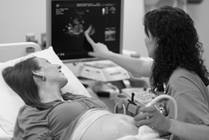
The Fetal Center offers advanced diagnostic, treatment and recovery options for families facing complex birth defects. We are devoted to improving neonatal outcomes for most fetal complications while supporting you along the way.
Article
Curriculum
Our child adolescent psychiatric curriculum includes rotations at different facilities, including Nationwide Children's Hospital and The Ohio State University Medical Center.

Specialty
Leukodystrophy Clinic
The Leukodystrophy Clinic provides evidence-based, family-centered clinical care for infants, children and teens with inherited white matter disorders (leukodystrophies). Our goal is to enhance quality of life for children and their families impacted by these conditions through a supportive clinical framework in collaboration with families, a local multidisciplinary team and the national community of the Leukodystrophy Care Network (LCN).
Article
During Your Stay
You will have questions during your child's stay at Nationwide Children's Hospital. We are here to put your mind at ease and share what you need to know.
Article
Financial Assistance
For patients and families, we understand this is a stressful time. There are many programs that Nationwide Children's offers to help provide financial assistance.

Article
Physician Careers
Nationwide Children’s Hospital is always looking for excellent board certified and board eligible pediatric physicians to join our Medical Staff.
Article
Terms & Conditions
Share My Story, FlutterSite User Agreement Effective Date: May 2015 Flutter is a free online story-sharing platform that gives patients and parents/ legal guardians the opportunity to share the story of their experience at Nationwide Children’s Hospital (“NCH”).