
Chiang Lab
The Chiang Lab is devoted to the design of tissue-engineered trachea for the management of complex long-segment airway defects. An ideal tracheal graft will allow for the replacement of diseased for absent tissue with a living construct capable of renewal and regeneration.
Despite advances in airway surgery, there are few surgical options for children suffering from long segment tracheal defects. Our goal is to define the mechanisms driving airway regeneration and apply them to the design of tissue engineered tracheal grafts. We are studying a variety of cell types and structures that comprise the trachea: cartilage, epithelial cells, fibroblasts, and vascular structures to understand how they function and how they interact with each other.
Our lab is translational, we explore the mechanisms of tracheal regeneration with computational and in vitro models and apply these discoveries to in vivo models with the intent of improving patient outcomes.
Inside Chiang Lab
Featured Publications
- Assessing the Biocompatibility and Regeneration of Electrospun-Nanofiber Composite Tracheal Grafts
- Successful Early Neovascularization in Composite Tracheal Grafts
- Tissue-engineered Composite Tracheal Grafts Create Mechanically Stable and Biocompatible Airway Replacements
- Biobanked Tracheal Basal Cells Retain the Capacity to Differentiate
Join Our Team
We are committed to training the next generation of scientists as the true future of science and medicine. We are looking for highly motivated postdoctoral researchers and students to join our team. To connect with our lab, select "Connect With Our Team."Featured Researcher: April 2021
Dr. Tendy Chiang was selected as the Abigail Wexner Research Institute featured researcher. Learn more about Dr. Chiang and his work in the Center for Regenerative Medicine.
Featured Research Projects
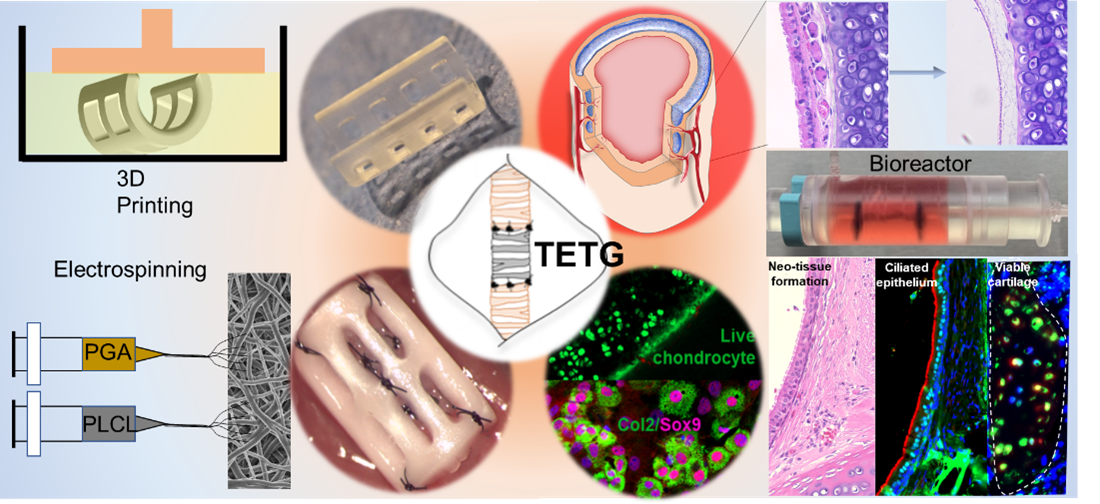
We use numerous materials to design tracheal grafts that remain patent and allow for the migration, proliferation, and differentiation of the cell types present in native tissue.
Learn More
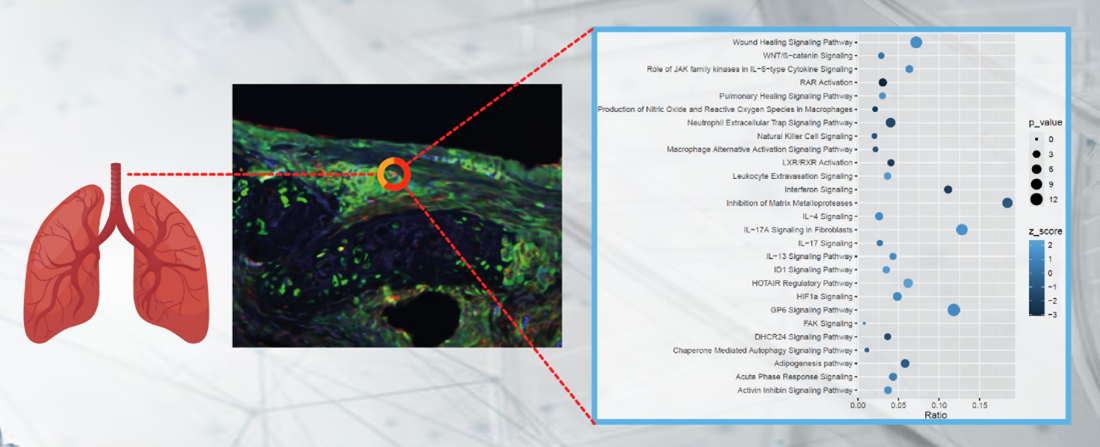
Applying integrative computational analyses, we dissect cell types and gene expression profiles involved in the healing process following tracheal replacement.
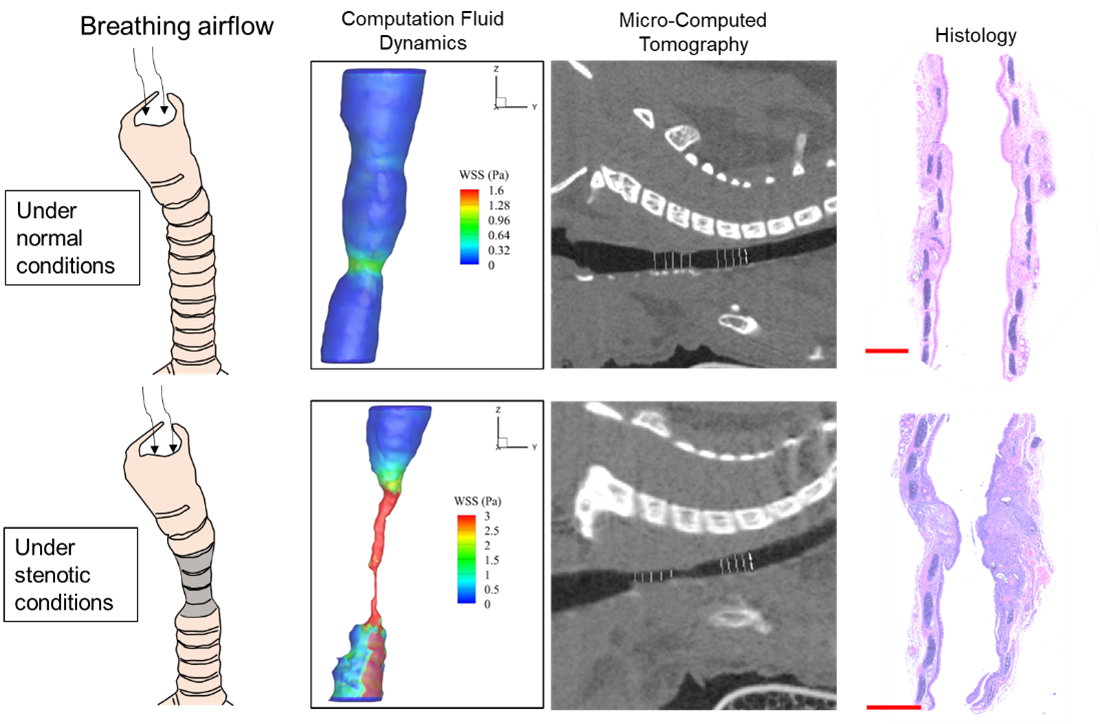
We are using computational modeling and analysis to study the airway during varying conditions, and how the epithelium responds to those conditions.
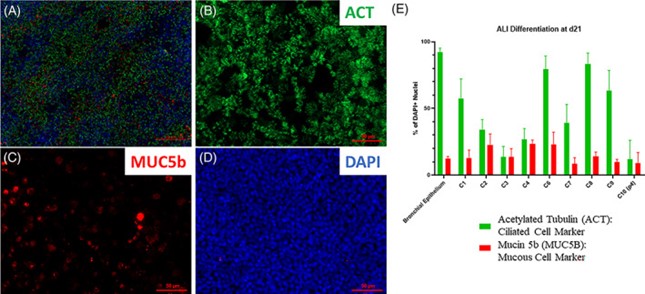
Our lab maintains a biorepository of basal epithelial cells. In vitro study of these cells can enhance options for tracheal restoration, graft design, and modeling of chronic airway disease.
Learn More
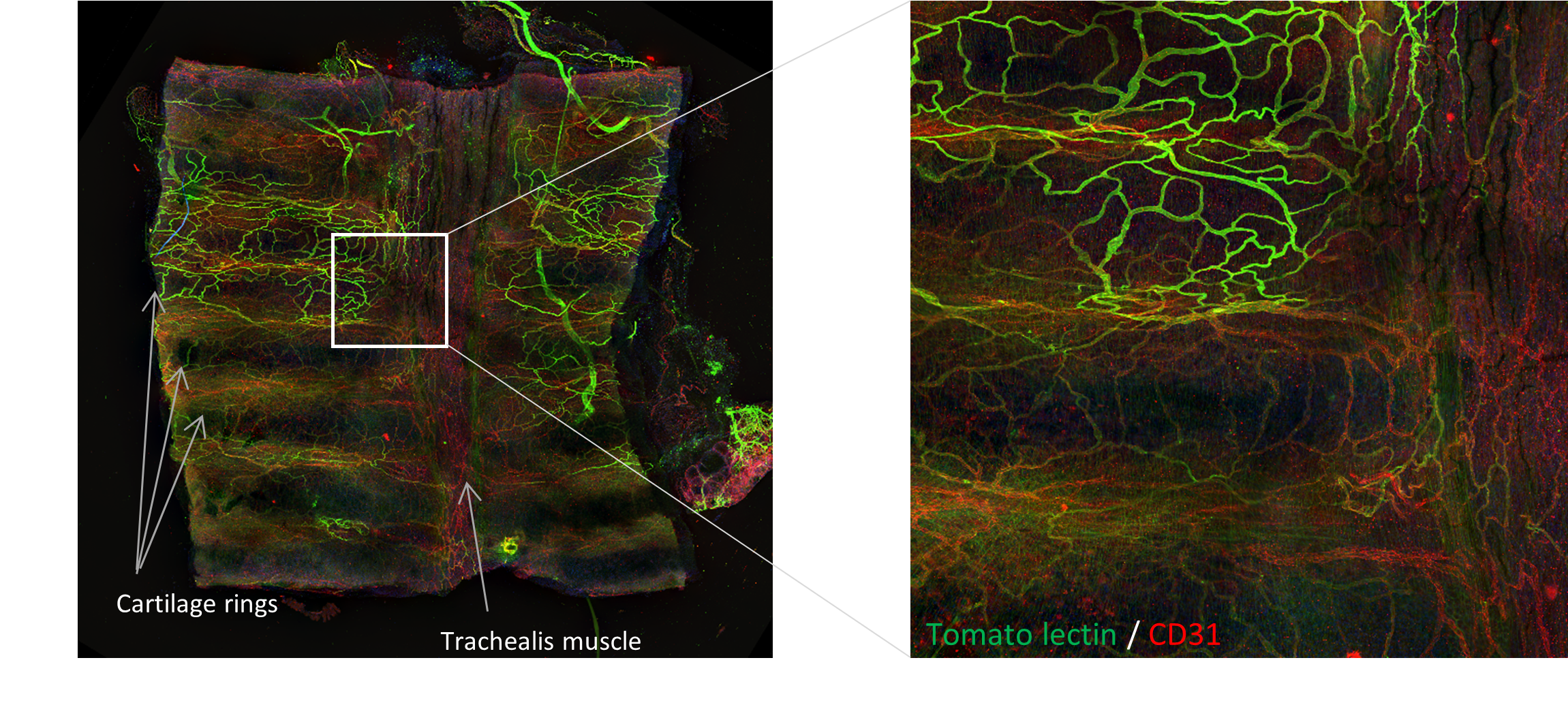
Graft success is dependent on adequate re-vascularization of the tissue following transplant. We are using whole mount methods to examine vascular development following implant.


