
Search Results
Viewing: 181-190 of 355 | All
Article
Treatment
There is no cure for Cerebral Palsy, but many treatments can reduce the effects of CP and also help children learn ways to adapt.
Blog
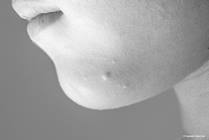
Molluscum Contagiosum: What You Need to Know
Despite its big, scary-sounding name, molluscum contagiosum is a common and relatively harmless skin condition seen in many children. It comes in the form of bumps that range in size from a pinhead to a pencil eraser.

Condition
Gastroschisis
When the muscles and skin fail to form normally in the abdominal wall, this results in an abdominal wall defect. Gastroschisis is the most common of the abdominal wall defects. Babies born with gastroschisis have a hole in the abdominal wall.
Article
Cecostomy
This Helping Hand™ explains what a cecostomy is and the different types of cecostomy tubes used at Nationwide Children's Hospital. It also includes information on how to flush a cecostomy at home as well as how to clean and care for the cecostomy.

Condition
Ependymoma
Ependymomas are a type of a tumor that form in the brain or spinal cord (central nervous system) as a result of abnormal growth of ependymal cells.

Condition
Renovascular Hypertension
In some children, high blood pressure (hypertension) can be caused by a narrowing of the artery near the kidneys. This condition is called renal artery stenosis (RAS), and it can affect one side (unilateral) or both sides (bilateral). Although RAS is relatively uncommon, it can lead to severe high blood pressure and heart issues if it’s not diagnosed and treated properly.
Article
Inhaled Corticosteroids for Asthma
Properly administer inhaled corticosteroids for asthma with this Helping Hand.
Article
Angiogram
Learn more about an angiogram, also called an arteriogram, which is a test that is done to study the size and shape of your child's blood vessels.
Article
Dental: Oral Sedation
Sedation can help your child feel less anxious, nervous or afraid, be more comfortable and stay still during the procedure.

Latent Tuberculosis Infection (LTBI)
Tuberculosis, or TB, is the common name for a germ called Mycobacterium tuberculosis. People with latent TB infection (LTBI) do not feel sick. They do not have any symptoms but can potentially develop active TB disease. People with LTBI are not contagious and cannot spread TB to others.