
Search Results
Viewing: 151-160 of 344 | All
Blog
What Parents Need to Know About Adenovirus
Adenovirus infections peak in winter and spring; but unlike the flu, they remain common throughout the year. These viruses cause about 10 percent of all childhood fevers, and nearly every child has had at least one adenovirus infection by 10 years of age.

Article
Nightwakings
Nightwakings in young children is one of the most common problems parents face.
Article
Toilet Training
This Helping Hand™ goes over when to start potty training and tips to help make it a rewarding journey for you and your little one. Being consistent and positive will help your toddler succeed in potty training.
Multimedia
Allergy Shots for Your Child
You have allergies, and your doctor thinks allergy immunotherapy, or allergy shots, might help you feel better.
Blog
COVID-19 and Pollen Allergies: The Perfect Storm
As much as we all hoped we wouldn’t have to worry about this again, the COVID-19 pandemic persists as the spring tree pollen season begins. Pollen allergies affect millions of children and adults, causing misery for weeks to months each spring, summer, and autumn.

Blog
Helping Children (and Parents) Prepare for an MRI
MRIs can feel loud and scary—especially for kids—but practice can make a big difference. Discover how Nationwide Children’s MRI simulator and radiology child life specialists help children rehearse the experience, build coping skills, and, in many cases, complete their scan safely without anesthesia.

Article
Building Community Through Youth Sports and Mentorship
Learn how community outreach initiatives, like youth sports programs, are helping elementary students like Tekle.
Blog
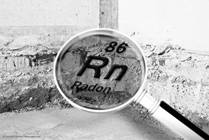
Radon: Keeping Your Family Safe
Radon is a gas that occurs naturally from the breakdown of a substance called uranium. Radon can get into your homes through cracks in your foundation, gaps in floors or around pipes, construction joints and even the water supply.

Blog
Household Cleaners and Eye Injuries: The Importance of Safe Storage
Household cleaning products represent a major source of exposures reported to U.S. poison control centers, and they commonly involve the eyes, especially among children.