
Search Results
Viewing: 41-50 of 207 | All

Blog
Using a Booster Seat Until a Seat Belt Fits
Depending on age, weight and height, children need to be in car seats, booster seats, or seat belts every time they are in the car. We all know to put a newborn in a rear-facing car seat, but how long should older kids stay in a booster seat?
Blog
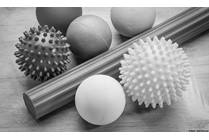
Rolling Techniques to Relieve Pain, Discomfort and Tension
Everyone has dealt with sore, tense or cramped muscles from time to time. Regular use of self-myofascial release (SMR) techniques can improve flexibility, support recovery and keep muscles performing their best.

Condition
Bursitis
Bursitis is swelling or irritation of a bursa. A bursa is a fluid-filled sac that acts as a cushion between tendons, ligaments, bones, and skin.
Article
Football Equipment Fitting
Inspect all equipment before issuing to an athlete. Equipment should be checked daily for damaged parts, fit and wear and tear. Always follow the manufacturer’s instructions for fitting equipment.

Condition
Macromastia
Macromastia refers to enlarged breasts in females. This condition may cause back and neck pain, as well as rashes and limitations with daily activities. In those situations, breast reduction surgery may be beneficial.

Specialty
Sports Medicine
7640 W. Sylvania Ave.
Suite E
Sylvania, OH, 43560
(419) 251-2061
Click to learn more.
Article
Let's Play Ball
Coaches and parents of young baseball players, or any athlete in a throwing sport, often have questions about throwing injuries and how to prevent them.

Condition
Sports Medicine: Cervical Strain and Sprain
A cervical strain or sprain is an injury to the muscles or ligaments in the back of the neck.
Article
Exercises: Arms and Hands (Passive)
Range of motion exercises keep your child's joints and muscles loose and easy to move. Your child should lie on his or her back on a firm surface while doing the exercises. You should be on the same side of his body as the arm you are working with. Motions should be smooth, not bouncy.