
Search Results
Viewing: 631-640 of 957 | All
News
Central Ohio Poison Center Offers Lead Poisoning Information
In light of the recent national recalls of products containing lead, the Central Ohio Poison Center at Columbus Childrens Hospital offers advice to parents related to the need for testing of lead levels in children.Any child who has eaten or repeatedly sucked on a lead-contaminated object needs a
News
New Study Finds Exercise Treadmills Significant Cause of Hand Burns in Children
In recent years, home exercise equipment has become increasingly common, and treadmills have continued to be the largest selling exercise category by a large margin.
Article
Community Provider Corner
- Lectureship on Measles During ID Conference
- Franklin County Domestic Violence Hotline Transition
- Free Tax Help Available for Patient Families
- Continuing Education Credits
- Partners For Kids® Primary Care Webinar
- Patient Financial Assistance Program
- FDA Extends Approval for the Nexplanon® Birth Control Implant From 3 to 5 Years
Article
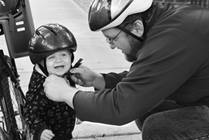
Bicycle Helmets
Riding bicycles is a great way for families to have fun and spend time outside. However, riding a bicycle can also be dangerous. Many serious injuries can be prevented by wearing a helmet.
Article
Eye Muscle Surgery
This Helping Hand™ goes over care at home after eye muscle surgery, as well as preventing infections and when to call your child's doctor.
News
Columbus Area Child and Family Travel to Capitol Hill to Advocate for Neonatal Abstinence Syndrome Awareness
One local family is taking their story to Capitol Hill to deliver an important message to their members of Congress. Nationwide Children’s Hospital patient, Jack Baker, 2 and his family will join nearly 50 other pediatric patients and their families to meet with members of Congress and share

Condition
Anencephaly
Anencephaly is a condition present at birth that affects the formation of the brain and the skull bones that surround the head. Anencephaly results in minimal development of the brain. Often, the brain lacks part or all of the cerebrum. There is no cure or standard medical treatment for anencephaly.


Article
Viral Season Resources
We are here to help you learn more about seasonal respiratory viruses and how to protect your family. Access resources and visitor guidelines.

Provider
Gina M Lockwood
Gina Lockwood, MD, is a board-certified pediatric urologist treating patients at Nationwide Children’s Hospital - Toledo. Dr. Lockwood earned her medical degree from Southern Illinois University School of Medicine, received her urology residency training at the Medical College of Wisconsin and completed further pediatric specialty training through a pediatric urology fellowship at Connecticut Children’s Medical Center. Dr. Lockwood is passionate about caring for children, treating medical urinary and genital conditions to improve their overall health and quality of life. In addition to her clinical work, Dr. Lockwood serves as Medical Director of Quality Improvement at Nationwide Children’s - Toledo where she helps lead initiatives to enhance organizational quality of care and patient safety. She is also an active member of the American Academy of Pediatrics’ Section on Urology, contributing to evidence-based resources that support pediatric patients and families nationwide. Dr. Lockwood is currently accepting new patients.