
Search Results
Viewing: 441-450 of 829 | All

Blog
Childhood Cancer: Treating the Whole Family
Childhood cancer affects more than just the patient—it impacts the entire family. Learn how comprehensive care addresses emotional, social, and practical needs to support families through treatment and beyond.

Blog
How to Navigate the Internet for Health Information
Searching for health answers online? Get expert tips to help you identify accurate information and make smart decisions for your child’s care.
Blog
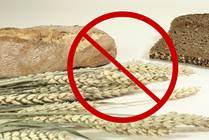
Celiac Disease, Gluten Intolerance and Gluten Allergy: What’s the Difference?
First published October 2013 Updated December 2025 Many people hear the word “gluten” and think it can cause stomach problems or that it is unhealthy. While most can tolerate gluten without any issue, there are many in whom it does cause problems.

Condition
Recurrent Respiratory Papillomatosis (RRP)
RRP is caused by the Human Papilloma Virus (HPV), which is a highly prevalent virus.

Condition
Subglottic Stenosis
Subglottic stenosis is a narrowing of the airway in the part of the voice box below the vocal cords (glottis). There are two kinds of subglottic stenosis: congenital subglottic stenosis and acquired subglottic stenosis.
Article
Nasal Cautery
Learn about the procedure Nasal cautery, or nasal cauterization, used to treat nosebleeds (epistaxis).
Article
Sinus Surgery
Everything you need to know if you child is having sinus surgery, or FESS (functional endoscopic sinus surgery) is a procedure.

Article
Care Coordination Careers
Working through a dedicated partnership between medical and surgical sub-specialists, primary care physicians, and Nationwide Children’s, Partners For Kids provides the highest quality care under a single arrangement with Medicaid managed care organizations.
Article
Senna, Sennosides, Ex-Lax®, Senokot®
Learn more about this medicine that relieves constipation.

Condition
Tracheomalacia (Primary and Secondary)
Tracheomalacia is characterized by collapse of the walls of the windpipe (trachea). If the collapse is due to weakness of the cartilage in the tracheal wall, it is called primary tracheomalacia. If it's due to compression by a structure outside of the windpipe, it is called secondary tracheomalacia.