
Search Results
Viewing: 131-140 of 344 | All

Blog
What to Do When Your Child Swears
Children may use swear words because they have heard adults use them, they are frustrated or angry and don’t have the skills to express themselves, to show they are tough or to bully others. So, how do we discourage and manage swearing?

Blog
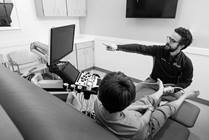
Diagnostic Ultrasound: Evaluating Athletes at a Faster Pace
While most people think of ultrasound as a device used during pregnancy, it is an important tool used by many medical specialties – including sports medicine.
Article
Musculoskeletal Ultrasound
Learn how our team uses ultrasound to diagnose injuries and help athletes return to sport.

Blog
Choosing a Stroller: Best Tips to Keep Your Child Safe
Parents with young children have so many decisions to make and so many pieces of “equipment” to get. One of the bigger decisions is choosing a stroller that fits both your baby and your family’s lifestyle. There are many different options out there and it can get overwhelming.

Blog
Keeping Children Healthy: The Importance of Well-Visits
Visits to doctors have decreased in many areas of the country because parents are afraid to potentially expose their children to COVID-19. What you may not know is that doctors and their office staff have been taking measures to protect patients, families and staff.

Blog
How to Talk to Kids About Divorce
Helping your child cope with divorce is not about having all the answers—it’s about being available, honest, and supportive.

Specialty
Liver Transplant Program
When your child needs a liver transplant, expertise and experience matter. Liver transplantation in children is a highly successful therapy. To maximize success, an individualized approach tailored to each patient is imperative to achieving best outcomes.
Article
Auditory Brainstem Response (ABR) with Sedation or Anesthesia
This Helping Hand™ explains the process of an auditory brainstem response (ABR) with light sedation or anesthesia.

Condition
Fever
In this Helping Hand™, we discuss fever, which is an increase in the body’s temperature above the normal range. Most doctors agree that a temperature over 101° F is a fever. Fevers lower than 101° F don't need to be treated unless your child is uncomfortable or has a history of febrile seizures.

Article
Bedtime Problems
Getting a child to go to bed is a common problem that many parents experience.