When you hear the words clinical research, you might picture something scary or confusing. Many parents do. Clinical research is simply a way for medical providers and researchers to learn what treatments work best for children and adults. Our experts look at some common myths and set the record straight.
A groin bulge can be alarming—but inguinal hernias are common in children and highly treatable. Learn what causes them, what parents may notice, why repair is recommended, and the warning signs that mean you should seek emergency care.
Kinesiology tape is everywhere in youth sports—but does it actually help? Learn what KT tape is used for, what the research says, when it’s not a good idea, and how to decide if it’s a safe, supportive option for your child’s aches or injuries.
Health e-Hints Newsletter
Stay up-to-date with the information you need for your child by subscribing to our free Health e-Hints e-newsletter. It’s customized for your child.
Pediatric News You Can Use From America’s Largest Pediatric Hospital and Research Center
700 Children’s® features the most current pediatric health care information and research from our pediatric experts – physicians and specialists who have seen it all. Many of them are parents and bring a special understanding to what our patients and families experience. If you have a child – or care for a child – 700 Children’s was created especially for you.
You thought raising TEENAGERs was tough, but raising SCREENAGERs is even more challenging! A recent PEW Research Center Survey reports nearly nine out of 10 teens think excessive screen time is a problem, and six out of 10 say it is a major problem. Read More
It’s fair to say that most parents worry about how their child would act in a potentially dangerous scenario. While many kids learn about “stranger danger” in school, it can be overlooked that abuse is most often perpetrated by someone the child or teen knows and trusts. Read More
The definition of the adolescent and young adult (AYA) cancer patient has evolved over time, but in the United States, it is defined as those diagnosed with cancer between ages 15–39 years. AYA patients are a unique population with regard to both their cancer and psychosocial needs. Read More
Alternative treatments are characterized by using non-mainstreamed practice in the place of conventional and proven treatments. Alternative treatments for Autism Spectrum Disorder generally target the physiology or biology of the child, versus teaching new skills directly. Read More
To help our ICU patients avoid the health risks of prolonged time in bed, we developed a groundbreaking program called WeeMove. The goal of the program is get children moving early on in their hospital stay. Read More
When your child has to spend time at the hospital, you will meet many health care professionals. Physician assistants (PAs) are one of the many medical providers that may care for your child during their time at the hospital. Read More
Language and literacy develop together as a baby grows from an infant, to a toddler, to a school-aged child and older. This development happens in an expected order, through social interactions, most often with parents. The key to development is that interaction. Read More
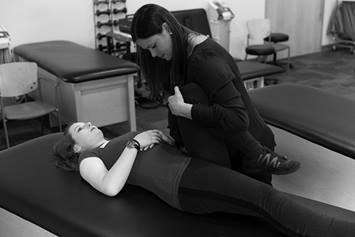
Does your child complain of frequent abdominal pain, pelvic pain, and/or menstrual or stomach cramping while on or off their period? Does your child have a diagnosis of endometriosis? If yes, then your child may benefit from pelvic muscle rehabilitation by a specially-trained physical therapist who can help treat these complaints. Read More