
Search Results
Viewing: 911-920 of 1470 | All

Article
The Medicine Program
The Medicine Program at CCPR is part of the Bowel Management Program for children with constipation and slow colon. This will help children with bowel control and toilet training.
News
Ohio Boy Receives Gift of Hearing
Although born deaf, 15-month old Jonah Knueve is now able to hear his parents voices. Weeks before his first birthday, Knueve became one of only a handful of children in the country under the age of one to receive simultaneous, bilateral cochlear implants.Doctors at Columbus Childrens Hospital

Condition
Vaginal Discharge
It is normal for women to have some vaginal discharge. The presence of vaginal discharge alone does not mean there is an infection. Signs of an infection include vaginal itching, burning or irritation, and unpleasant odor.

Condition
Atrioventricular Septal Defect (AVSD)
Atrioventricular septal defect (AVSD), also commonly known as endocardial cushion defect or atrioventricular canal defect (AVCD), is a heart condition where there are holes between the heart’s upper and lower chambers, and the valves controlling blood flow may not form correctly.
News
Pacemakers Used to Help Children with Stomach Problems
Physicians at Nationwide Children’s Hospital in Columbus, Ohio are turning to a device typically used in adults with heart problems to help children with severe stomach conditions.

Blog
Tips for Students in the Age of Hybrid Learning
As online and hybrid learning have become the norm for some schools scattered across the country, here are some tips to make sure your child is successful when learning at home.

Blog
Parechovirus: What is it?
The CDC recently issued a health advisory to inform clinicians and public health departments that parechovirus is currently circulating in the United States.
Blog
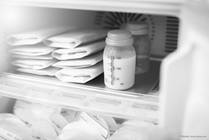
How to Safely Pump and Store Human Milk
Your breast milk is the best nutrition for your baby and provides many antibodies to help fight infections and viruses. Proper storage of milk in clean containers and at proper storage temperature is equally important.

Blog
Is My Child Ready for Kindergarten?
Having an idea of what your child should know and be able to do when they start school will give you the confidence to determine if your child is ready for kindergarten.

Blog
Give Back (to Yourself): 6 Reasons Why It's Good for You to Volunteer
The power of volunteering has been studied for decades. You may already know how great it is for your mental health, but did you know there’s a growing body of research that volunteering is great for your physical health as well?