
Search Results
Viewing: 61-70 of 207 | All
Article
High School RIO™ Press Releases
To view or print any of the High School RIO™ press releases, click on the title. New National Study Examines Concussion Management in High School Sports - December 1, 2010 Football Injuries in U.S.
Blog
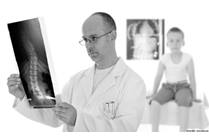
Scoliosis: Is the Curve in Your Child's Spine Normal?
Scoliosis is defined as curvature in the spine greater than 10 degrees. Scoliosis is a relatively common condition that causes the spine to curve and rotate into a C or S shape instead of a straight line.
Article
Exercises: Stretching
Stretching exercises help keep your joints and muscles from tightening up. Your exercise program is planned for your specific needs because not all your muscles have the same degree of strength or weakness.
Condition
Biceps Tendonitis and Tenosynovitis (Distal)
Distal biceps tendonitis is pain at the front of the elbow and upper arm caused by inflammation (swelling) of the biceps tendon. Tenosynovitis is inflammation of the tendon sheath that surrounds the biceps tendon.
Article
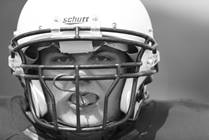
Football Injuries
Football safety equipment should include a helmet with a NOCSAE seal, mouth guards, shoulder pads, football pants with pads, and football shoes with cleats.

Blog
The Importance of Tummy Time
As a new parent, you’ve probably heard the term “tummy time” and been told it is an important part of your baby’s development.

Blog
Teens and Seatbelts: 3 Tips to Keep Everyone Safe
Safety on the road begins with wearing your seatbelt properly. Parents who educate themselves on the best practices of seatbelt use can set a better example for their children.
News
Ohio Booster Seat Law Violations Now Subject to Fines
In a move to reduce the number of pediatric injuries and deaths from motor vehicle crashes, Ohio became the 44th state in the United States to enact a Booster Seat Law in October of 2009.
Blog
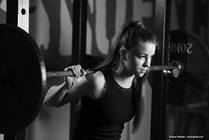
How to Squat Safely: Correct Form for Maximum Effectiveness
One of the most effective exercises is the squat, but when done incorrectly squatting can lead to many issues inside and outside of the weight room.
Article
Exercises: Upper Extremities (Active)
Active exercises help keep your joints and muscles from tightening up and becoming weaker. Your exercise program is planned for your specific needs because not all your muscles have the same degree of strength or weakness. The goal of active exercise is to keep your muscles strong and flexible.