
Search Results
Viewing: 101-110 of 355 | All
Article
Asthma and Steroid Use
Asthma is when the airways, or bronchi, in the lungs overreact to certain things.

Staphylococcus - Scalded Skin Syndrome (SSSS)
Staphylococcus-Scalded Skin Syndrome is a skin infection caused by a bacteria called Staphylococcus aureus. This infection produces a toxin that can affect skin all over the body.
Blog
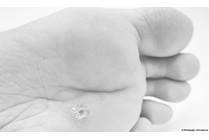
Warts: What They Are and How to Treat Them
Warts are non-cancerous skin growths caused by a virus and can vary in size and appearance. They are spread person-to-person through touch and typically appear on the hands and feet.

Blog
Baby Registry Series: Breastfeeding and Bottle-feeding
Breast or bottle, baby has to eat! Whichever you choose, you’ll want to put a few things on your wish list.
Article
Catheterization: Self-Clean Intermittent - Female
Learn how clean intermittent catheterization is done by putting a tube through the urethra into the bladder for females.
Article
Bone Health and Epilepsy
Children who take medicine for seizures due to epilepsy may be at higher risk for weak or breaking bones.
Article
Catheterization - Self-Clean Intermittent - Male
Clean intermittent catheterization is done by passing a tube through the urethra into the bladder. Catheterization empties urine from the bladder.

Blog
Thumb Surgery: How Hand Surgeons Can Build a Thumb
As a hand surgeon who works specifically on kid-specific hand and arm issues, I get the chance to build a more functional thumb that they can use for the rest of their lives.

Condition
Constipation: Infant
This Helping Hand™ covers constipation in infants less than one year of age. It is common, but it can be a concern for parents. Signs of constipation include infrequent stools that are difficult to pass and straining more than normal to have a bowel movement. Even if a baby is not constipated, bowel movements may be irregular.
Article
Cardiac Catheterization - Care at Home (Pediatric)
Your child has had a cardiac catheterization. Learn how to care for the cath site and when to call your cardiologist.