
Search Results
Viewing: 101-110 of 336 | All

Blog
Stem Cell Transplant: Who Can Benefit and Who Can Be the Donor?
A stem cell transplant is a treatment that involves infusing hematopoietic (blood-forming) stem cells from a donor into a recipient. The collection of infused stem cells is called the stem cell “graft.”
Lyme Disease
Lyme disease is spread to humans through the bite of infected ticks. Symptoms of Lyme disease include fever, swollen lymph nodes, headache, stiff neck, tiredness, swelling of large joints and red rash that often has a “bulls-eye” appearance.
Article
Resources
Learn more about the resources offered by the Biopathology Center at Nationwide Children's Hospital.
News
Biospecimen Core Resource Wins NIH Contract to Further Cancer Research
The Biospecimen Core Resource (BCR) in The Research Institute at Nationwide Children’s Hospital has received a new $4.5 million federal contract — with the potential of reaching more than $49.9 million over five years — to accept, process, ensure quality, and distribute tumor
Article
Fellow Accomplishments
Find the citations for our Infectious Disease Fellows' abstracts, presentations and awards.
Article
Research Grants
See the latest grants awarded to the researchers at the Center for Injury Research and Policy.
Article
Rapid Genome Sequencing
Your child’s doctor has recommended a genetic test called rapid genome sequencing (rGS). This test looks for changes in DNA that could cause or contribute to a medical condition. About Your Genetics Our bodies are made up of billions of building blocks called cells. Each cell contains DNA.

Specialty
Central Ohio Poison Center
The Central Ohio Poison Center provides central and southeastern Ohio residents with state-of-the-art poison prevention, assessment and treatment.
Blog
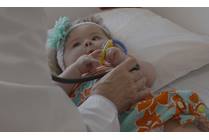
SMA Clinical Trial Provides Hope for Families
Tragically, most children with Type I Spinal Muscular Atrophy (SMA1) don’t live past their 2nd birthday. I believe the answer for these patients and their families is gene therapy.