
Comprehensive Neuroblastoma Program
Neuroblastomas are a diverse group of childhood tumors with significant effects on children’s lives. These include:
- Benign tumors that cannot spread to other parts of the body but can still have substantial impact on patients’ well-being,
- Low- and intermediate risk cancers that need balanced treatment that gives patients the best chance at a cure but minimizes short-term and long-term side effects (toxicity), and
- High-risk, relapsed, and refractory cancers that need innovative treatments to improve survival and quality of life.
The Neuroblastoma Management team at Nationwide Children’s Hospital brings together multidisciplinary medical and supportive care resources for all patients and families with these tumors. We collaborate with world-renowned experts in childhood cancers to bring the best treatment options to the children of central Ohio and beyond. Our team is focused on improving survival and quality of life of these patients at diagnosis, throughout all treatments they may need, and in survivorship.

Nationwide Children's Hospital is ranked by U.S. News & World Report for Cancer.
Neuroblastomas are actually a variety of tumors that each have their own challenges. Our management team – including physicians, nurse practitioners, nurses, social workers, psychologists, genetic counselors, and scientists – work together to identify those challenges and best serve patients. This team approach allows us to personalize patient care. Our goal is to give patients the best chance for survival while also improving their quality of life, minimizing side effects, and managing long-term complications from treatment or disease.
At diagnosis or relapse, patients meet with a board-certified pediatric oncologist with specific clinical and scientific training in neuroblastoma. The patient’s cancer will be comprehensively assessed and a “risk” level determined based on how aggressive it is. This includes anatomic imaging (scans to see where the cancer is in the child’s body), pathology (how does the cancer look under the microscope), and molecular testing (specialized tests to look at genetic and protein properties of the cancer). The patient’s health will also be fully assessed, to identify how well they will tolerate specific treatments and/or what side effects they may have had from prior treatment. The care team will meet with the patient and family to discuss prognosis, what the family’s goals are for treatment, and what concerns they have for their child.
New Diagnoses
For patients with newly diagnosed disease, an optimal treatment plan will be determined integrating current science and family concerns to give the best outcome for the patient, with a definitive cure in mind. This includes coordinating with the Children’s Oncology Group, the preeminent group of pediatric oncologists that lead advances against childhood cancers. Through this collaboration, the team can offer cutting edge clinical trials to improve treatment. When appropriate, we can also offer innovative clinical trials we have developed through collaborations with other scientists and physicians as well as those we uniquely have available here (which we discuss below).
Relapsed or Refractory Tumors
For patients with relapsed or refractory tumors that have failed to respond to previous treatments, we will similarly evaluate or “restage” the patient’s cancer and their general health. We can also perform additional tests, learning more specific information about their cancer through our Institute for Genomic Medicine (discussed below). We will identify the best treatment approach that matches the patient’s and family’s goals, optimizing disease control or cure while controlling toxicities so that they minimally interfere with daily life.
All patients will also meet with our psychosocial supportive care team. Including social workers, psychologists, educators and school liaisons, pastoral care, physical therapy, and genetic counselors, this team works with the child and family to address how the cancer is affecting all aspects of their lives. The breadth and resources of this group is truly unique and gives the patient and family multiple ways to adapt to the reality of cancer and cancer treatment. In this way, we can work to give the patient a “normal” childhood to the best of our abilities.
Philosophy of Care
The Neuroblastoma Management Team will work with the family throughout different phases of treatment. As part of our Philosophy of Care, we will work to always be transparent with the patient and their family, taking the time to explain the different treatment options and what the goals of treatment are. We will always collaborate with the patient and family, ensuring that we are working toward a common goal and keeping the patient’s best interest at heart. Whenever possible, for patients from Ohio or those referred to us from further away for investigational treatments, we will work to partner with your doctors to allow the patient and their families to be as safe as possible while also best able to live their lives, whether that is at home, at school, or in travel.
As part of our comprehensive approach, all diagnostic studies, including any radiology appointments, pathology evaluations, and pre-treatment evaluation, will be coordinated by our team and our certified nurse navigator. Referral to other treating physicians, including for any recommended radiation therapy performed at The James/OSU Comprehensive Cancer Center, and to the bone marrow transplant group at Nationwide Children’s Hospital, will be coordinated by the Neuroblastoma Team, making it your one stop for your patient’s needs. This includes working with our board-certified pediatric surgical oncologist, to optimize timing of any surgeries. Based on recommended treatment approach, our team will also work with the family to optimize the child’s health, including referrals to nutrition, rehab therapy services, psychology, child life, and our new oncofertility and endocrinology program, to maintain long-term chance of patient fertility.
Throughout treatment, the Neuroblastoma Management Team will discuss your child’s care on a continuous basis to make any necessary changes to improve survival while reducing chance of side effects. For patients whose tumors do not respond to initial therapy or whose tumors relapse after original treatment, the Neuroblastoma Program at Nationwide Children’s Hospital utilize its resources to identify the best treatment options for the patients. These include:
The Institute for Genomic Medicine (IGM) and Personalized Therapy
The Institute for Genomic Medicine, is a world-leading center for genomic analysis of diseases, including a specific focus on pediatric cancers. They can analyze patient tumors for key molecular factors that have caused the tumor to occur, and more importantly those factors that make the tumor resistant to some treatments but sensitive to others.
The Neuroblastoma Team will work coordinate with the patient and family to obtain either original tumor samples or, when it is felt to be important, a new biopsy sample of tumor, using minimally invasive techniques that reduce risk to the patient and can be done on an outpatient basis. The IGM can then perform a number of advanced tests on the tumor samples to identify weaknesses in the tumor’s defenses. In combination with the IGM and the Department of Pathology, Dr. Shah and the Neuroblastoma Team can then select treatment options that can exploit those weaknesses,
Cell Therapeutics
The Cellular Therapy and Cancer Immunotherapy Program offers pioneering approaches to cancer therapy. Based on the principal that components of the immune system can be used to target cancers, Dr. Lee and his team have established a Good Manufacturing Practice (GMP) manufacturing facility at Nationwide Children’s. In this facility, certified by the Foundation for the Accreditation of Cellular Therapy, they are to produce cell therapies for clinical use. Dr. Lee established the use of a type of immune cell, called the natural killer (NK) cell, in cancer therapy. In his work, he has shown that giving NK cells after chemotherapy can improve the body’s ability to remove cancer cells, with no additional toxicity to the patient. These cells are the key component in a clinical trial run by the New Advances in Neuroblastoma Therapy (NANT) consortium, and this study (NANT2013-01) is available to patients at Nationwide Children’s Hospital. Additional clinical trials are being developed for use in patients with relapsed or refractory neuroblastoma, offering state-of-the-art treatment options for these patients.
I-131 MIBG Therapy
Ninety-five percent of neuroblastoma tumors have the specific property of being able to absorb a drug called MIBG. This drug can be made using radioactive iodine. When using the radioactive iodine I-125, we can inject MIBG into the veins of patients to find where the neuroblastoma cells have spread, similar to a PET scan. However, if we use a different radioactive iodine, I-131, the cancer cells that absorb the I-131 MIBG are exposed to a stronger dose of radiation, killing them directly or harming them enough to allow the immune system to kill them. This treatment is relatively well-tolerated, allowing us to give radiation therapy to multiple sites through the patients’ bodies but limiting effects on the healthy parts of their bodies.
I-131 MIBG therapy is only available at a limited number of hospitals in the US, and Nationwide Children’s is among the leaders of I-131 MIBG Therapy. The MIBG therapy team is able to treat patients with neuroblastoma at different points in their treatment journey. As part of the Children’s Oncology Group current high-risk neuroblastoma protocol (ANBL1531), can receive MIBG therapy early in treatment. Optionally, we are able to treat patients with neuroblastoma with I-131 MIBG if their tumors limited benefit from early chemotherapy or if their cancers recur after original treatment. We are also developing novel new approaches combining I-131 MIBG therapy with other treatments to further improve its benefits for children with neuroblastoma.
Early Phase Clinical Studies
Advances against the most aggressive neuroblastomas can only be made through organized clinical trials. Phase 1 and 2 clinical trials bring the most promising new treatment options for use in patients, allowing us to ethically treat patients for whom there are no other options. Nationwide Children’s is able to offer numerous early-phase clinical trials for these patients. These include trials through our collaborations with the YMabs group, using monoclonal antibodies naxitimab and omburtomab to target neuroblastoma throughout the body and specifically when the neuroblastoma cells have spread to the brain or spinal cord (CNS metastases). We also have available study NMTRC014, which offers the drug DFMO to patients after initial high-risk therapy with the hope of improving their chances for a cure. Our Oncolytic Virotherapy program uses engineered virus that specifically target cancer cells only, directly killing them and also recruiting the immune system to remove the cancer cells and clear them as they grow. We have additional early phase studies, including those through the Children’s Oncology Group and other national consortia and collaboration with the Center for Childhood Cancer and Blood Disorders (CCCBD), the basic and translational science center at Nationwide Children’s Hospital investigating neuroblastoma and other childhood cancers. Through their own work and the research of the CCCBD, we are developing new clinical trials to further identify and refine better treatment options for patients with neuroblastoma.
The Neuroblastoma Management Team represents the dedication of Nationwide Children’s Hospital to provide world-class care for children with neuroblastoma and for their families, right here in Central Ohio.
For all of our patients with neuroblastoma, regardless of the risk or likely outcome, the diagnosis itself is life-altering. Cancer not only affects the health of the child but also affects their families in broad ways. The Neuroblastoma Team at Nationwide Children’s Hospital helps the families to address those challenges. When the patient and their family arrive at NCH, they will meet with the different members of our Psychosocial Services Team. This includes:
- Social Work
- Psychology
- Education
- Child Life
- Genetic Counseling
- Pastoral care
- Physical Therapy
In the years immediately following treatment, patients are followed by members of the Neuroblastoma Team in our outpatient clinic. In addition to monitoring for any relapse of the cancer, the medical team during this time will also evaluate for any side effects (toxicity) from the original treatment. Particularly for those patients with high-risk neuroblastoma, the treatments used can have long-term consequences, but these “late effects” can be reduced if caught and addressed early. Our Survivorship and Late Effects Program during these first years after treatment, led by Dr. Shah and Micah Skeens, PhD, RN, PNP, directly focuses on the common and rare effects of treatment, as well as the specific effects of OMAS on patients who suffer from that immunologic disease. The Survivorship Program will comprehensively evaluate patients for physical, neurocognitive, developmental, immune and endocrine effects. When appropriate, we can refer patients for neuropsychological testing, which systematically evaluates the patients for effects on learning and development and can provide strategies to improve their educational success. We also collaborate with our colleagues in endocrinology and nephrology to find medical treatments for any effects on hormonal development, growth, and bone health. We are also exploring the effects of treatment on the patient’s immune system, identifying how treatment affects their ability to fight off infections and other potential effects on the immune system.
Through these supportive care programs, the Neuroblastoma Team works to treat all aspects of the effects of this cancer on the patient and their family, aiming to not only cure the patient of the disease but also allow healing of the patient in all ways.
The Neuroblastoma Management Team represents the dedication of Nationwide Children’s Hospital to provide world-class care for children with neuroblastoma and for their families, right here in Central Ohio.
Additional services available at Nationwide Children's Hospital: Radiology, Pathology, Neuropsychology, Center for Childhood Cancer and Blood Diseases
Available at The James/OSU Comprehensive Cancer Center through collaboration with Nationwide Children's Hospital: Radiation Oncology


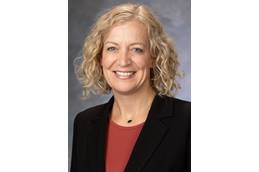

Through the Team’s collaborations with multiple treatment consortia, we are able to also offer numerous early phase clinical trials that have significant potential to attack neuroblastoma, bringing world-class medical advances to Central Ohio. These include two programs uniquely in development at Nationwide Children’s Hospital – our oncolytic virotherapy program, led by Timothy Cripe MD, PhD and Keri Streby, MD, which takes a new approach of using modified viruses that target only cancers to refocus the patient’s own immune system to attack the cancer from within, and our cell therapeutics program, led by Dean Lee, MD, PhD, which uses a combination of the patient’s immune cells with chemotherapy and antibody therapy to make all three components more effective against the cancer.


What is Neuroblastoma?
Neuroblastoma, a childhood cancer of the sympathetic nervous system, or the “fight or flight” response system, includes a wide variety of tumors and cancers. Neuroblastomas are tumors of the peripheral nervous system (outside the brain or spinal cord). They occur in the adrenal glands or in the paraspinal sympathetic chain (alongside the spine), with different effects on the body based on where they grow and spread (metastasis). Patients with these tumors have unique challenges specific to their disease.

