
Search Results
Viewing: 71-80 of 334 | All

Article
Pet Medication Risks for Children
Almost two thirds of households in the US own a pet and many of these households have children. Many parents may not be aware of the risks these medications can pose to their families.

Blog
What Is a PED?
PED is defined as any substance taken in non-pharmacologic doses specifically for purposes of improving sports performance. The more common ones that you hear of are anabolic steroids, testosterone, Human growth hormone, creatine, and ephedrine.
News
Nationwide Childrens Hospital Selected as Biospecimen Core Resource for The Cancer Genome Atlas
Nationwide Children’s Hospital recently was awarded an initial $5.5 million contract from the National Cancer Institute (NCI) to serve as a Biospecimen Core Resource (BCR) for The Cancer Genome Atlas (TCGA), a program co-managed by the NCI and the National Human Genome Research Institute

Specialty
Community Resources
Health Is More Than Doctor Visits. Find Community Resources for You and Your Family here.

Blog
The Science of Reading
Unlike walking or talking, reading doesn’t just “happen” on its own—it has to be taught. Discover what the Science of Reading says about how kids learn best, why early language and shared books at home matter so much, and how programs like Reach Out and Read and Imagination Library help families build strong foundations for lifelong reading and learning.
Blog
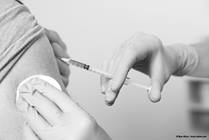
HPV Vaccine for Boys: Cancer Protection for the Future
Human papillomavirus is a group of viruses that can cause warts on different parts of the body. The common types of HPV can cause cervical, vulvar, and vaginal cancers.
News
Nationwide Childrens Hospital Receives Medal of Honor
Nationwide Childrens Hospital was recognized September 30, 2009 at the fifth annual National Learning Congress Organ Donation Breakthrough Collaborative Medal of Honor Dinner.

Blog
Cervical Cancer Screening: Why It's Important
Most cervical cancer is caused by the human papilloma virus. This virus enters cells and causes changes that can lead to cancer. HPV is transmitted from person to person through sexual activity and genital contact.
Article
Somatic Disease/Germline Comparator Sequencing
You or your child will be having a genetic test called somatic disease/germline comparator sequencing. This test looks for changes in DNA that could cause or contribute to a medical condition.
Article
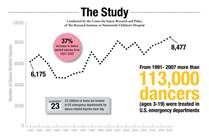
Dance Related Injuries by the Numbers
Dance is a beautiful form of expression, but it could be physically taxing and strenuous on the human body, particularly for children and adolescents 3 to 19 years of age.