
Search Results
Viewing: 31-40 of 207 | All
Limb-Girdle Muscular Dystrophy
Limb-Girdle muscular dystrophy affects males and females. Most commonly it causes progressive hip and shoulder muscle weakness that spreads to the arms, legs and back. Symptoms usually begin between ages 8 and 15 and progress slowly. Patients usually become confined to a wheelchair by age 30.

Condition
Chest Physiotherapy (CPT) for Children and Adults
This Helping Hand™ explains how positioning, clapping, vibrating and huff-coughing can help clear mucus and ease breathing in children and adults.

Blog
Throwing Guidelines for Baseball Players
From that 1st pitch to a throw from outfield to home plate, throwing is a big part of baseball. Shoulder and elbow growth plate injuries are common in young athletes who play a high volume of games each season and throughout the year. Here are 9 tips for preventing injuries.
Blog
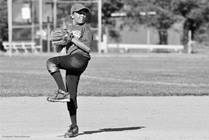
Using Video Analysis to Prevent Throwing Injuries
There are many parts to any athletic movement, and they all affect one another in a chain reaction. These are just a few of the common biomechanical issues we see and can correct. We use Video Analysis for numerous sports, including baseball, softball, volleyball, running and swimming. Athletic Trainers are experts in biomechanics and this tool helps us do even more for our young athletes.

Blog
Apophysitis: Why Children Shouldn’t Play Through Pain
Apophysitis is an inflammation or stress injury to the areas on or around growth plates in children and adolescents. Apophysitis is usually caused by repetitive overuse activities like running, jumping, and throwing but can also occur as an acute injury with a fall or rapid, powerful movement.
Blog
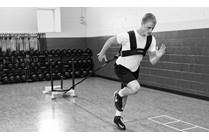
Why Your Child Should Be Strength Training This Summer
While it may seem like winter just ended, fall sports are just around the corner and athletes are starting to think about gaining the strength they need for a successful season. Strength training not only enhances athletic performance but also plays a crucial role in reducing the risk of injuries.
Blog
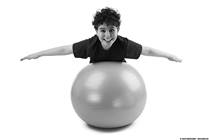
Core Stability: What Is It and Why Is It Important?
Having a strong, stable core helps us to prevent injuries and allows us to perform at our best. Read expert tips on how to help your child strengthen theirs.

Blog
Remote Learning: 5 Tips for Maintaining a Healthy Posture
Spending long hours on a computer for virtual school can strain kids’ posture and muscles. Discover 5 easy strategies—from desk setup to movement breaks—that help protect your child’s body and build healthy habits for the future.
Clavicle Fracture
A clavicle fracture is common in children after a collision or fall onto the shoulder. Most clavicle fractures that occur in children can be treated without surgery.

Blog
Car Seat Conundrums – You Asked, We Answered
We asked for your car seat questions on Facebook and you delivered! Here are the answers to some of your questions. Does my really tall 7 year old need to sit in a booster? Laws vary from state to state, but here in Ohio a child must sit in a booster until they are 8 or 4’9.” So,