
Search Results
Viewing: 101-110 of 207 | All

Article
Diving Safety
More than 6,500 children and adolescents are treated for diving-related injuries annually. The leading cause of youth diving injuries is collision with the diving board or platform.
Blog
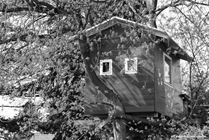
7 Tips for Tree House Safety
Tree houses bring childhood dreams to life, but safety should never take a backseat. Discover essential tips to build a secure, adventure-ready space where kids can play with confidence.
News
FSH Society Fellowship Funds Facioscapulohumeral Muscular Dystrophy Research
Funding from the Facioscapulohumeral Muscular Dystrophy Society FSH Society, Inc. will help researchers determine the role a seldom-studied gene plays in the development and progression of facioscapulohumeral muscular dystrophy (FSHD), a debilitating muscular dystrophy often originating in the

Article
Sleep in Preschoolers
Sleep problems are common during the preschool years, including nighttime fears and nightmares.
Article
Sleep in School-Aged Children
School-aged children need between 10 and 11 hours of sleep per night.
Article
Sleep Tips for Children
The following recommendations will help your child get the best sleep possible.
Blog
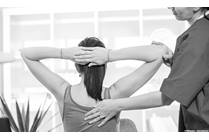
Massage Therapy for Sports Injuries
In the event that one of your young stars is already suffering from an injury, massage can be beneficial in facilitating a speedy recovery.
Article
Prepare for Your Sports Medicine Visit
How you can prepare for your visit at the Sports Medicine clinic at Nationwide Children's Hospital.
Article
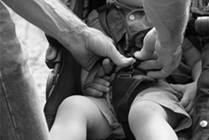
Strollers
Although strollers are typically used to safely transport children, on average, one child aged 5 years and younger is treated in U.S. hospitals every 45 minutes for a stroller- related injury.
Article
Management and Treatment of Neuromuscular Scoliosis in Spina Bifida
The spine helps keep us upright when we are sitting and walking. When a person who has spina bifida also has scoliosis, or spinal asymmetry, the spine is not straight. It may be because of curvature or twisting of the spine, usually in an "S" or "C" shape. This can progress over time.