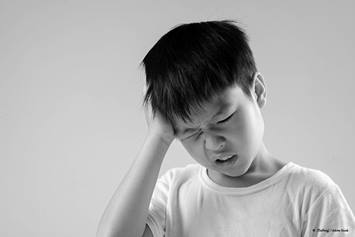
Meningitis
Meningitis is an infection of the meninges, which are the membranes that cover the brain and spinal cord.
What Is Meningitis?
Meningitis (men-in-JIE-tiss) is an infection of the meninges (men-IN-jeez). These are the membranes that cover the brain and spinal cord. Meningitis is more common in infants and young children than in adults. Children with cochlear ear implants, frequent sinus infections, brain surgery, or a recent serious head injury are at increased risk for meningitis.
What Causes Meningitis?
Meningitis is caused by germs – either bacteria or viruses. A child catches the germs by breathing in the mist or touching the drainage (mucus or saliva) from an infected person. Once the germs enter the child’s nose or throat, they can spread quickly through the bloodstream to the meninges.
What Are the Signs and Symptoms of Meningitis?
The signs and symptoms of bacterial and viral meningitis can be the same.
Early Signs Are:
- Chills and a fever – rectal (child’s bottom) temperature over 100.4° Fahrenheit (F) or 38˚ Celsius (C). Babies under 3 months may not have a fever.
- Increased tiredness
- Cranky, fussy
- Sensitivity to light
- Severe headache
- Vomiting (throwing up)
- Unusual high-pitched cry
- Stiff neck – your child may hold their neck still or cry when it moves
- In babies, sometimes bulging at the fontanel (soft spot) on their head
Later Signs Are:
- Convulsions (seizures)
- Confusion
- Staggering or swaying when walking
- Hallucinations
- Loss of consciousness, does not wake up when touched
If you suspect your child has bacterial meningitis or is getting sicker, take them to the closest hospital emergency department or call 911.
How Is Meningitis Diagnosed?
Bacterial meningitis must be diagnosed and treated in a hospital. Once your child is admitted to the hospital, they may have the following tests done to find out which germ is causing meningitis and how bad the infection is:
- Lumbar puncture (LP) is also called a spinal tap. A sample of spinal fluid is taken from the spinal canal. To do this test, a needle is passed through a space between the vertebrae (bones) at the base of the spine and into the spinal canal. A small amount of spinal fluid is collected and sent to the lab for testing. The lab can get preliminary test results of the spinal tap in a few hours. It may take up to 3 days to get the final test results.
- Imaging tests that take pictures of the brain and body. Magnetic resonance imaging (MRI) and computerized tomography (CT) scan the brain to look for swelling and injury. These tests are not painful.
How Is Meningitis Treated?
Your Child:
- Will have an intravenous (IV) tube put into their vein so that they can get medicine to kill the bacteria. These antibacterial antibiotics are started right away before the final lab results are ready. Fluids and other medicines may also be given by IV.
- If the lab report shows bacteria, your child will be treated in the hospital for a longer time. The length of time depends on the type of bacteria found.
- If the lab report shows no bacteria are present and that a virus has caused meningitis, the antibacterial antibiotics will be stopped.
- Will be in isolation for at least the first 24 hours.
- Everyone must wear a gown and mask while in their room.
- Family members who have been around your child must also wear a mask outside your child’s room.
- Everyone will follow careful handwashing procedures.
- May not be allowed to drink anything during the first 24 hours. If drinking is allowed, the amount will be limited.
- May receive oxygen.
- May need to be connected to a heart monitor or an oxygen saturation monitor. These monitors help the nurses watch your child closely.
- Will have blood tests done often the first few days.
A Nurse Will Check Your Child’s:
- Pulse, temperature, and breathing rate often
- Eye reactions, body movements, level of sleepiness, and for babies, how their fontanel looks
Your Child May Be Very Irritable and Not Want to Be Held. Things That Might Comfort Them Are:
- Dimming the lights in the room
- Keeping the room quiet
- Helping with their care, if allowed. Let their nurse know what help you can give.
Depending on the type of bacteria present, people who have had close contact with your child, like family members and babysitters, may need to be treated with an oral (by mouth) antibiotic.
Before Going Home
Your child’s health care providers will talk to you about:
- Your child’s progress and response to treatment
- Medicines to take at home
- Signs and symptoms to watch
- The need for home care services and how they will be arranged
- Scheduling follow-up visits at the clinic which may include visits to specialists for hearing tests and developmental assessments
- How to contact your child’s health care providers
- The need for a note to give to your child’s school or childcare facility
How Is Meningitis Prevented?
- Vaccines help prevent certain types of bacterial meningitis. Bacterial meningitis is serious. It can be life-threatening or cause hearing loss. It must be treated in a hospital as soon as possible. To prevent common types of bacterial meningitis infections, your child should get the following vaccines:
- For children 2 months of age and older – pneumococcal vaccine (Prevnar®) for pneumoniae and Hib vaccine for H. influenzae.
- For children 11 to 12 years of age –meningococcal vaccines for meningitidis.
- There are no vaccines for viral meningitis. In most cases, it is less serious and goes away on its own.
When to Call the Health Care Provider
Call your child’s health care provider if they have:
- Chills or a fever of 101˚ F or 38.3˚ C or above
- A stiff neck again – hold their neck still or cry when their head moves
- Vomiting
- Change in behavior – crying more than usual, irritable, more sleepy, confused
- Hearing loss
- Severe headaches
- Bulging soft spot on their head – babies only
If you suspect your child’s bacterial meningitis is coming back or they are getting sicker, take them to the closest hospital emergency department or call 911.
Helping Hands Patient Education Materials
Written and illustrated by medical, nursing and allied health professionals at Nationwide Children's Hospital, Helping Hand instructions are intended as a supplement to verbal instructions provided by a medical professional. The information is periodically reviewed and revised to reflect our current practice. However, Nationwide Children's Hospital is not responsible for any consequences resulting from the use or misuse of the information in the Helping Hands.
HH-I-89 9/78, Revised 2/22 Copyright 1978-2022, Nationwide Children's Hospital