Asthma and Reactive Airway Disease (RAD) (Wheezing)
Asthma symptoms often improve as children get older, but this may take a long time.
Asthma is a disease of the lungs. When a child has asthma, the airways are very sensitive to many things in the air. The airways may get smaller when you are around things that trigger your asthma. This is called a flare-up.
What Happens During an Asthma Flare-Up
Asthma can be very serious. Breathing problems that start out mild can turn deadly. Three main things happen during an asthma flare-up that can make it hard to breathe:
- The airways swell and become smaller.
- The muscles around the airways tighten and squeeze, also making the airways smaller.
- The airways fill with mucus.
Asthma flare-ups begin with swelling in the airways. Asthma flare-ups or serious attacks can happen if the swelling is not treated. Taking medicines to control the swelling can prevent an asthma flare-up. Medicines that treat the swelling must be given every day. Follow the Asthma Action Plan that your child’s doctor gives you.
Triggers
Many things can start an asthma flare-up. They are called triggers. Know your child’s asthma triggers and avoid them.
The Most Common Triggers Are:
- Infections from colds and flu viruses
- Exposure to tobacco smoke
Some Other Triggers Are:
- Dust mites
- Pets
- Cockroaches
- Mold
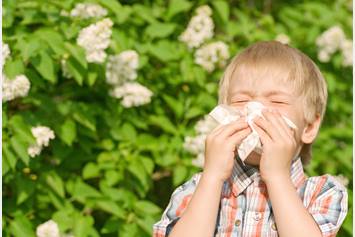
- Pollen
- Weather
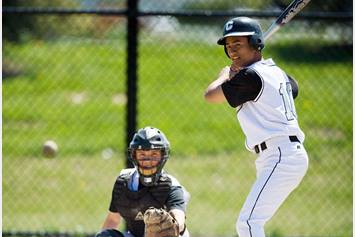
- Exercise
- Stress
- Air Quality
- Indoor/outdoor pollutants and irritants
Signs and Symptoms
Warning Signs
Most asthma flare-ups start slowly. You may notice small changes in your child’s body before a flare-up. Changes include:
- Runny or stuffy nose
- Sneezing
- Itchy or watery eyes
- Itchy or sore throat
- Tiredness
Time to Start Rescue Medicine
If you notice your child doing any of these things, start rescue medicine:
- First signs of a cold
- Wheezing
- Noisy breathing
- Chest tightness
- Fast breathing
- Coughing
- For very young children, grunting during sucking or feeding, fussiness, or unusual tiredness
What to Do During an Asthma Flare-Up
Tell your child to:
- Tell an adult (parent, teacher, school nurse, coach, or babysitter) about trouble breathing.
- Follow the Asthma Action Plan.
- Take the rescue medicine as directed by the doctor.
- Stay calm and try to breathe slowly and deeply.
Asthma Medicines
There are two types of medicines for treating asthma. They are called rescue (quick-relief) medicines and controller medicines.
Rescue Medicines
Everyone with asthma needs a rescue medicine. Use it at the first signs of an asthma
flare-up.
- A rescue medicine:
- May be an inhaler or a nebulizer (aerosol)
- Works very quickly to make it easier for your child to breathe, but it lasts for a
short time - Helps to open airways right away
- Should not be needed more than 2 times per week
- May not work for a flare-up in patients who use it more than 2 times per week
- May be used 15 to 20 minutes before exercising or playing
Controller Medicines
Most people with asthma also need one or more controller medicines.
- A controller medicine:
- Helps prevent asthma symptoms and flare-ups
- Is taken every day even if feeling well
- Works to reduce the swelling and the mucus in the airways
- Does NOT help during an asthma flare-up
Controlling Asthma
The good news is that asthma can be controlled. However, there is no medicine that can cure asthma. Asthma symptoms often improve as children get older, but this may take a long time.
Call Your Child's Doctor
When rescue medicine did not help or is not lasting 4 hours:
- Fast breathing continues
- Wheezing increases
- Coughing continues
- Chest tightness
- Vomiting after coughing
Rescue Medicine Has Been Given But Your Child Is Having the Following Symptoms:
- Breathing hard and fast (gasping)
- Ribs and neck muscles show when breathing
- Nose opens wide when breathing
- Hard to talk, walk, eat or drink due to shortness of breath
- Lips and fingernails turn grey or blue
Tips
Use a rescue medicine as directed by your child’s doctor.
- Your child’s rescue inhaler and spacer should be with him or her at all times.
- Give your child’s controller medicine every day as directed by the doctor, even when the child feels fine.
- See the specific asthma medicine sheets. It will tell you how and when to give your child’s asthma medicine, possible side effects, and other important things to remember. Ask the nurse or respiratory therapist if you did not receive these.
- Refill your child’s controller medicine every 1 or 2 months. Ask the pharmacist how often if you are not sure.
- Use your child’s Asthma Action Plan. It will tell you when and how to give each medicine.
- Use an asthma diary to keep track of symptoms and how often your child uses his or her rescue medicine.
- Sit down with your child’s doctor to develop an Asthma Action Plan. It will tell you when and how to give each medicine.
- Tell your teacher, coach and school nurse that your child has asthma.
If you have any questions, be sure to ask the doctor or PCP (Primary Care Provider).
For more information ask your child’s nurse or respiratory therapist for the handbook Tell Me About…Asthma.
Helping Hands Patient Education Materials
Written and illustrated by medical, nursing and allied health professionals at Nationwide Children's Hospital, Helping Hand instructions are intended as a supplement to verbal instructions provided by a medical professional. The information is periodically reviewed and revised to reflect our current practice. However, Nationwide Children's Hospital is not responsible for any consequences resulting from the use or misuse of the information in the Helping Hands.
HH-I-11 | ©1978, revised 2/16, Nationwide Children’s Hospital