
Preventive Cardiology Clinic
Certain factors like high cholesterol, high blood pressure, or a history of obesity can increase the risk of heart disease in children. Some of these conditions may be caused by genetic factors, eating habits, or level of physical activity. At the Preventive Cardiology Clinic, our goal is to identify and treat children who have these factors so we can help these kids live a heart healthy lifestyle. The Preventive Cardiology Clinic strives to improve the health of children by reducing the risk for heart disease, hypertension and stroke later in life.

Nationwide Children's Hospital is ranked by U.S. News & World Report for Cardiology and Heart Surgery.
About Us
At the Preventive Cardiology Clinic, our goal is to identify cardiac risk factors early and build a specialized plan that will help your child avoid serious heart conditions later in life. We strive to involve the entire family to create a family-based program. Our specialty trained preventive cardiologists work with dietitians, exercise physiologists, and other specialties to make sure your child’s care path is as comprehensive as possible.
Patient Evaluation at the Preventive Cardiology Clinic Includes
- Physical Exam
- Height and Weight/BMI
- Blood pressure
- Assessment of risk factors in the family history
- Meeting with a registered dietitian or a nutritionist
- You may also meet with an exercise physiologist and/or a psychologist
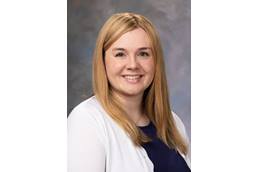
Meet Our Team
It's not just who treats your child that makes a difference at Nationwide Children's. It's how your child is treated here. The Preventive Cardiology Clinic specialists love treating kids. Helping kids feel better is our purpose and what drives the team each day. It's why we do what we do.
Our specialty trained preventive cardiologists work with dietitians, exercise physiologists, and other specialties to make sure your child’s care path is as comprehensive as possible.





Preparing for Your Visit
Before Your Visit:
- All patients scheduled in the Preventive Cardiology Clinic will typically need to have fasting labs (if medically safe) drawn 1-2 weeks before each appointment.
- When fasting, no food or drink (other than water) may be consumed for at least 8-12 hours prior to blood draw.
- The lab orders are placed in advance so patients can have labs drawn at their convenience.
- Labs can be done at any of our Nationwide Children’s Close to Home Laboratory Services locations.
- If you want your lab orders sent somewhere that is not part of Nationwide Children’s, please contact us as soon as possible.
- A dietitian may reach out to you to establish an initial visit.
- Before your child’s visit, they need to have a new set of fasting blood work (labs) completed. This is done to ensure we have the most recent lab numbers to provide your child with the best possible care. This can be done one to two weeks before the visit, but no earlier than 1 month before the visit. For fasting labs, your child cannot eat food or have drinks 8 hours before the blood draw. They may have water when fasting. If they have medical needs that make it unsafe for them to fast, they can get the labs done without fasting. Make sure the staff make a note that your child was not fasting.
These labs are important to you child’s visit. This is done to ensure we have the most recent lab numbers to provide your child with the best possible care.
What to Expect During Your Visit
On the day of your child's appointment at the Preventive Cardiology Clinic, the team works to find and treat issues that could increase your child’s risk of heart disease later in life. These include high cholesterol, high blood pressure, a history of obesity, and a family history of heart disease. Our team focuses on teaching the whole family about a heart-healthy lifestyle.
Our heart doctors (cardiologists) work with dietitians, exercise physiologists, and other specialties to give your child the best care possible. Please be aware that your child’s first visit will last 60 to 90 minutes and will include:
- Physical exam
- Vital signs
- Assessment of risk factors in the family history
- Review of lab values
- Patients may also see a registered dietitian, exercise physiologist or psychologist."
People you may meet during your visit include:
- Physicians
- Nurse practitioners
- Registered nurses
- Psychologists
- Dietitians: Health professionals who are experts in nutrition and diet will do a full dietary evaluation to set individual goals for your child and to teach your family how to reduce dietary fat and cholesterol. Meal planning and recipe suggestions are additional things dietitians can help with.
How Parents and Caregivers Can Promote Heart Healthy Behaviors
- Be a positive role model/be supportive
- Get the whole family involved
- Limit sedentary time/increase physical activities
- Set specific goals and realistic expectations
- Celebrate good behavior with healthy foods
- Be an advocate for healthier children
Identifying and Treating Heart Disease Risks in Kids: From Common to Complex
The Preventive Cardiology Clinic works to identify cardiac risk factors early and build a specialized plan that will help your child avoid serious heart conditions later in life. It takes a team of health care experts from many specialties to provide the most thorough care for your child.
Parents and caregivers are equally important in the treatment process. No one knows your child better than you do. We make sure you understand the diagnosis and how we plan to treat your child. Working together provides the best outcomes for our patients and families. Caring for kids is all we do, and what we do best.


Why Choose Nationwide Children's Preventive Cardiology Clinic?
Cardiology disorders are complex and may require ongoing care. Because all of our specialists are located on the same campus, you'll have access to everyone in one trip. Because patients are often referred from considerable distances, the use of telemedicine has increased, especially for follow up. Telemedicine has been well received by patients because of convenience.
For children with more complex conditions, we have the resources to develop a care plan for as long as they need one. From surgery to therapy to ongoing follow-up, your team is with you every step of the way.
Leading the Way to New Treatments and Outcomes Through Clinical Research
Clinical care and research work together. This helps scientists and doctors to find new treatments and therapies. Clinical studies (also called clinical trials) will continue to become more common in daily care at Nationwide Children's. Clinical studies help doctors learn more about conditions and treatment.
This means you might hear about a clinical study that your child might be able to join. This does not mean that your child has to join a study. You always have the choice about whether or not to join a study.
Our Locations




Resources for Families
Patient Referrals
Primary care providers should refer if:
- The patient has a family history of high cholesterol, or
- A family member has had an early cardiovascular event, or
- There is an abnormally elevated fasting lipid profile and further evaluation and possible medical therapy is indicated
Children are evaluated at the Preventive Cardiology Clinic for several reasons and can be referred by their pediatrician or primary care physician when:
- They have a family history of high cholesterol, or
- A family member has had an early cardiovascular event, or
- There is an abnormally elevated fasting lipid profile and further evaluation and possible medical therapy is indicated
For children ages 2-10 years, initial lipid profile testing is recommended as an aspect of preventive pediatric care. We follow the American Academy of Pediatrics’ recommendation for fasting lipid profiles, which includes testing of:
- Triglyceride level (based on what they eat)
- Total cholesterol (based on what a child inherits from family and what they eat)
- HDL-C (“good” cholesterol)
- LDL-C (“bad” cholesterol)
Download Lipid Screening Guidelines in Children and Adolescents
Download Pediatric Hypertension Practice Tool
Refer a Patient
Please use "referral to preventive cardiology." Referral resources at your fingertips. Because when your patient needs a pediatric specialist, everything matters.
Conditions We Treat
- High Blood Pressure
- High Cholesterol
- Hypercholesterolemia
- Hypertension
- Hypertriglyceridemia
- Low HDL


