

Best Outcomes For Kids Everywhere
Nationwide Children’s brings together the best people and programs to achieve best outcomes for kids in our community and around the world.

Expanding Care in Toledo
Nationwide Children’s Hospital - Toledo is dedicated to providing the highest quality pediatric care to children and families in northwest Ohio.
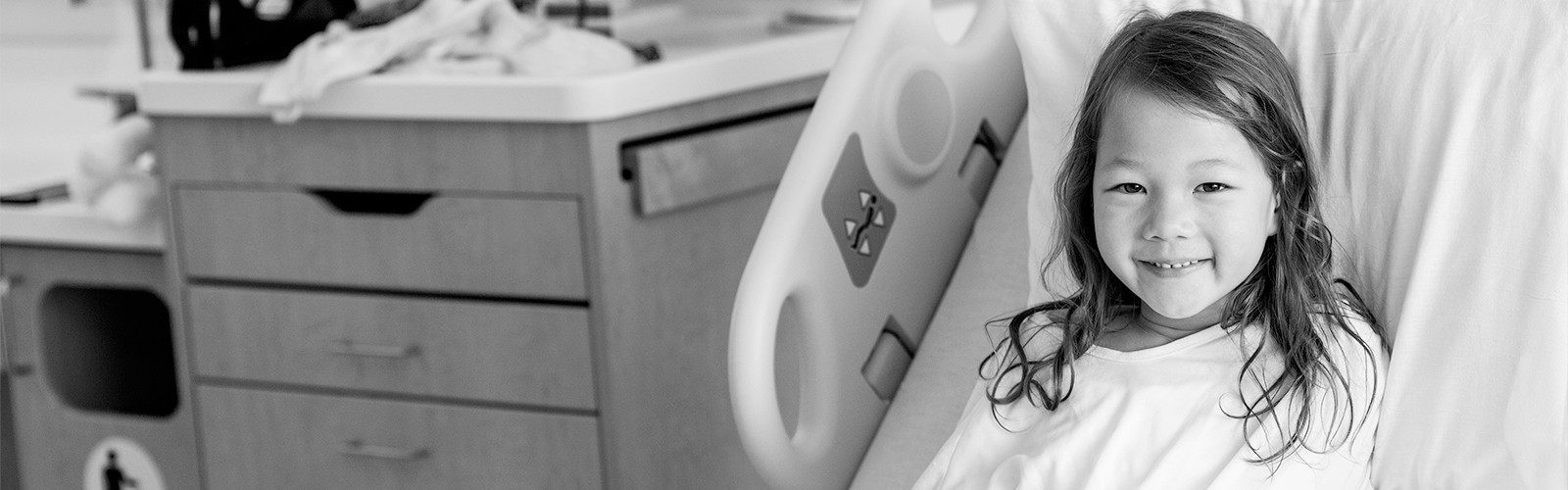
Give a Gift
A gift of toys, games or activity supplies can make a big difference to children and families spending time in the hospital.



When your child needs a hospital, everything matters.
Request an AppointmentLearn More
Medicaid Updates
Families, don’t forget to check your Medicaid insurance plan. You may need to take steps to reenroll. If you don’t, you may risk having your care disrupted.

A Great Place to Work
Nationwide Children’s is ranked the number one hospital in Ohio, in the top five for children’s hospitals nationally, sixth in the healthcare and social industry category and 42nd among the top 500 large employers’ category.
What Is Proton Therapy?
Proton therapy is an advanced type of radiation treatment that uses protons instead of X-rays to kill cancer cells. It's now being offered here in Central Ohio. Learn how it works and what conditions it can treat.

Trendy Skincare: Why Pre-teens and Teens Should Stick to the Basics
Social media influenced many pre-teens and teens to overhaul their skincare routines. While the desire for clear skin is understandable, not all trends contribute positively to our skincare journey.
Important Stats

Every Story Matters
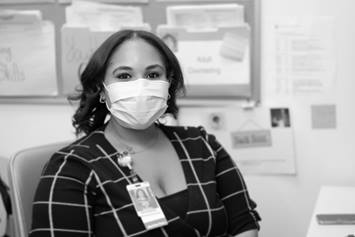
“Primary care social work is very unique in that we use our advanced generalist practitioner skills every day. We have the opportunity to use clinical judgment and critical thinking while also building rapport with families to best ensure the health and safety of our patients.”

“In my current role, my primary responsibility is to provide individual mental health therapy to adults who have experienced domestic violence. I love working in this role because I believe helping individuals improve their day to day life by learning coping skills and processing the trauma they have experienced, will reduce the prevalence of generational trauma.”

“The most rewarding part of the Nationwide Children’s Hospital tax clinic program is working directly with families across central Ohio and being able to provide a great service for free. I love to see the excitement expressed on our clients faces as I review their tax return and refund amounts. It is equally as rewarding helping community members work through unique challenges on their tax return and providing them education that will help on future tax returns.”